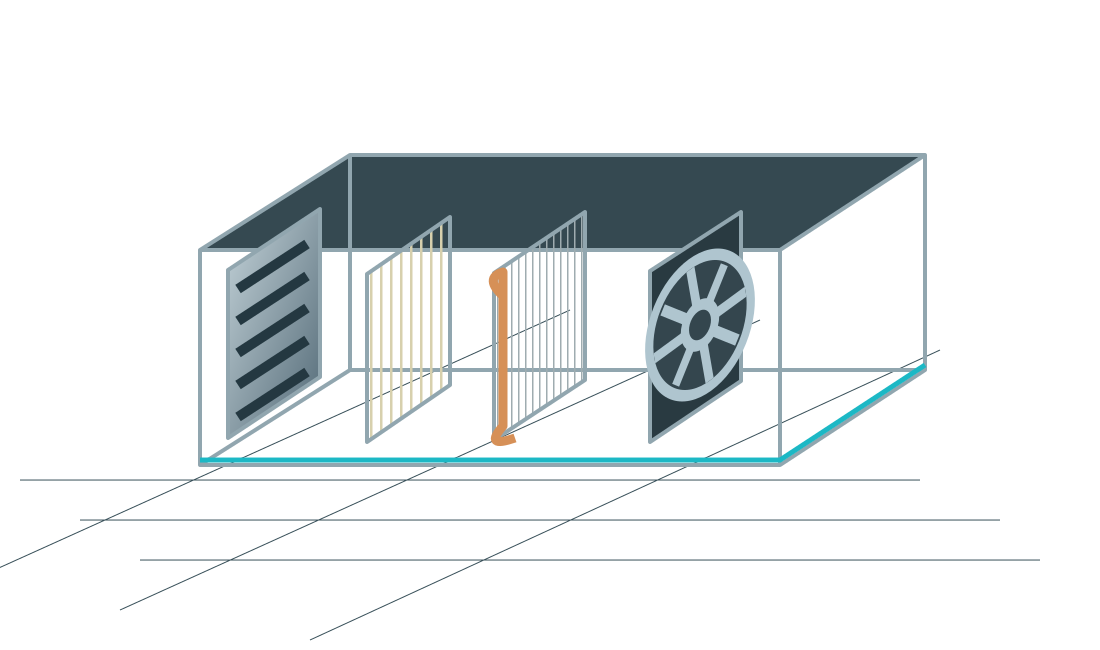
01 / The whole system
Look closer.
An air handling unit is more than its casing. Scroll inside to see the components Ben and the team consider when scoping a validation.
The question: what can your project rely on?

An air handling unit is more than its casing. Scroll inside to see the components Ben and the team consider when scoping a validation.
Condition, seals, insulation and access all matter. The records and the installation need to tell the same story.
Check accessible blades, linkages and actuators. Agree how operation and the controls response will be verified.
Look at the filter condition, fit and seals. Review the available pressure readings and maintenance information.
Inspect accessible coil surfaces, connections and the drain pan. Identify fouling, damage or leakage that needs further investigation.
Inspect accessible fan components and supports under safe isolation. Review duty, controls and available test evidence.
Check the accessible frame, supports and service space. Consider whether filters, coils and fans can be reached for maintenance.
Bring the records, site observations and agreed checks together. Know what can be retained and what needs further investigation.
Illustrative AHU · Component arrangements vary. This model explains an inspection approach; it is not a record of a particular installation.
Establish the arrangement, observed condition and available performance information before new work relies on retained plant or distribution.
Compare the available landlord or base-build information with the proposed fit-out. Identify interfaces and the checks needed to inform the design.
Identify gaps between drawings and accessible installations. Keep assumptions visible and agree what needs investigating before the next issue.
Start with the decision: retain, alter, replace or investigate further. Ben and the team review the records and agree the systems, access and checks around that question.
The scope can combine a records review, site observations and agreed operational checks. A visual survey alone cannot establish hidden condition or full system performance. Where testing or specialist input is needed, we identify it in the proposal.
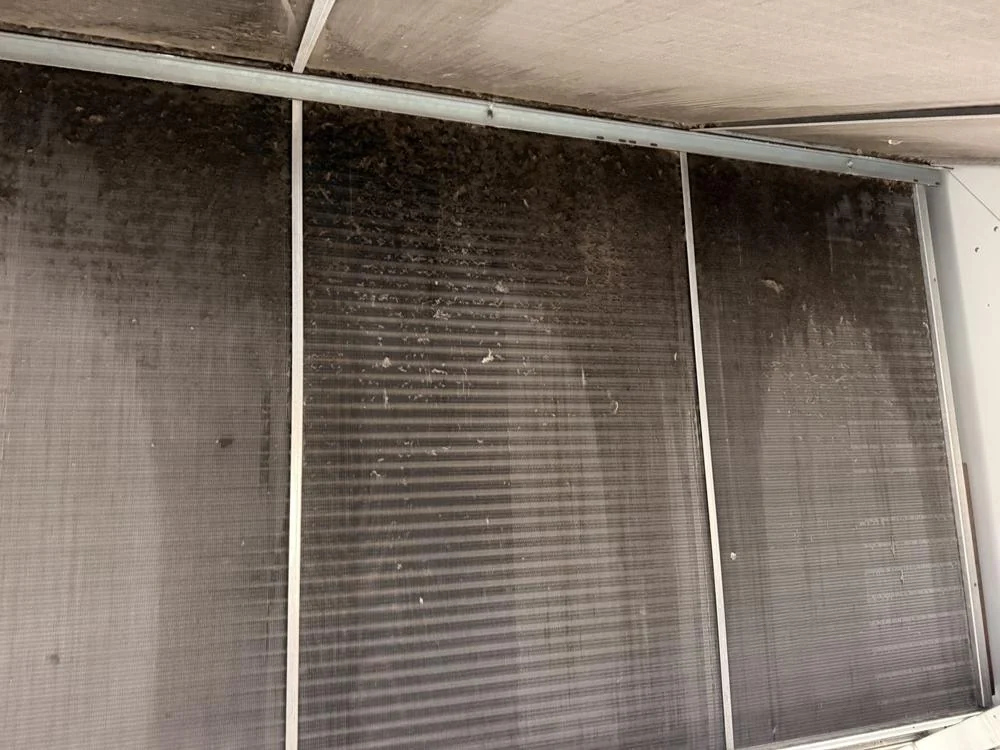
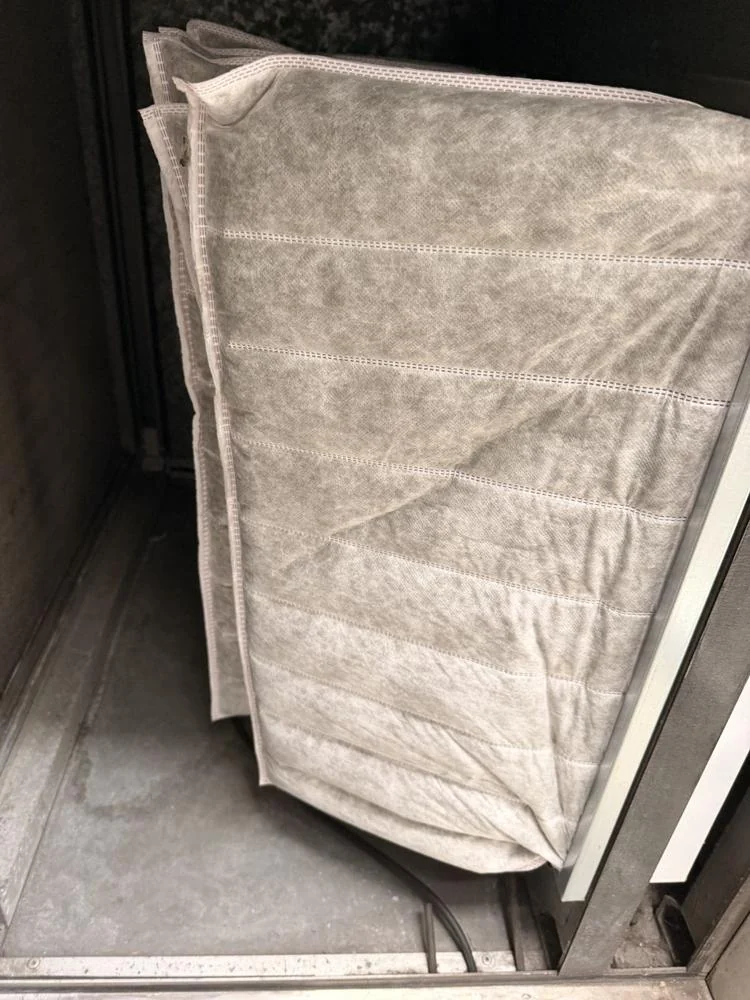
Actual photographs from Ben’s validation project work. Client and site details withheld. Photographs show observed condition; performance requires the agreed checks and supporting evidence.
A condition survey usually records what can be observed. A validation appointment can also examine records and agreed evidence of operation or performance. The proposal must state the actual checks included; the service name alone does not establish them.
The number of systems, size of the building, records available, access, occupation and any specialist testing. Send the location, proposed works and decision date so we can scope the work around your project.
Existing drawings, relevant schedules, available commissioning or maintenance records, and a description of the proposed works. Start with a summary; Ben will arrange how to share detailed project information.
Yes. Engin supports London and UK projects, with site attendance arranged from outside the capital around the agreed scope and access.
Tell me what you are building, where the information stops and what your team needs next.